
Why Every Website Needs Images

High-quality images on a website builds trust
This week, I was out in Chelmsford working on a media package for a client based in Great Baddow. As a business that serves a local customer base, they wanted to ensure their website and social media truly reflected who they are. Stock images just wouldn’t cut it—they needed professional, authentic visuals showcasing their brand, team, and work. So, they brought us in to handle everything in one go. It’s a perfect example of why having authentic, high-quality images on a website makes such a difference—strong visuals build trust, reinforce authenticity, and help businesses stand out online. In this article we explore why every website needs images and how you can boost your customer engagement even further by using authentic photos.
Why High-Quality Visuals Matter for Your Website
In today’s digital world, a website serves as the online storefront for your business. Whether you run a window cleaning company, a boutique, or a firm of accountants, your website is often the first point of contact potential customers have with your brand. First impressions matter, and one of the most effective ways to make a lasting impact is through high-quality images.
The right visuals can make all the difference, from building trust and improving engagement to enhancing search engine rankings.

A clean, professional-looking site with high-quality images creates a sense of credibility.
The Impact of Visuals on Customer Perception
When visitors land on your website, they immediately form an opinion about your business. A clean, professional-looking site with high-quality images creates a sense of credibility. Customers want to see what makes your business unique and real, and engaging photographs help tell your story before they even read a word.
Using authentic images of your products, services, and team helps build a connection with potential customers. Whether you run a restaurant, a retail shop, or a service business, showcasing authentic images allows people to visualise themselves engaging with your brand. For example, a Chelmsford cake decorating business could feature a picture of a bride and groom standing near one of their handcrafted wedding cakes at Hylands House. Seeing a real-life example of their work can be far more persuasive than using generic stock photos.
Similarly, an electrician in Chelmsford showcasing real photos of their team fitting new lighting in a family home provides a reassuring sense of professionalism and trustworthiness. Customers are far more likely to reach out when they see genuine images that reflect the services they need.
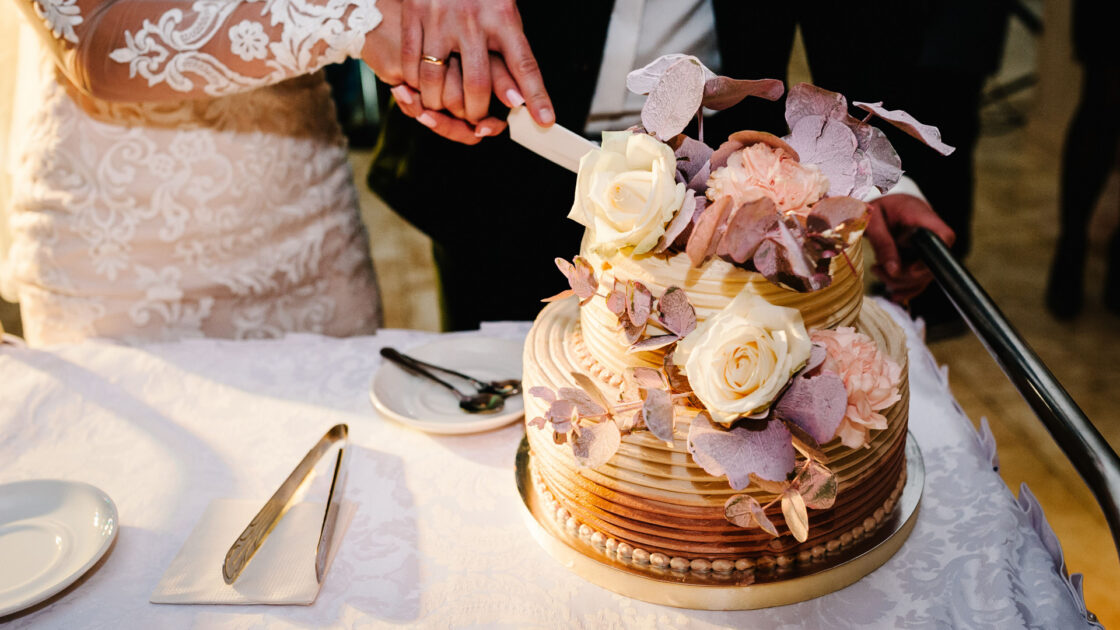
Use descriptive file names (e.g., “handmade-wedding-cake-hylands-house.jpg” instead of “IMG1234.jpg”)
SEO Benefits of High-Quality Images
Images don’t just make your website look better—they also improve its search engine ranking. Google and other search engines prioritise websites with well-optimised visuals.
For example, if someone searches for a service you provide, a website with relevant, high-quality images and proper optimisation is more likely to appear in search results. Search engines scan image descriptions, file names, and alt text to understand what an image represents, helping businesses rank higher for relevant searches.
To maximise the SEO benefits of your images:
- Use descriptive file names (e.g., “handmade-wedding-cake-hylands-house.jpg” instead of “IMG1234.jpg”).
- Add alt text that accurately describes the image for accessibility and search visibility.
- Ensure image compression to prevent slow loading times, which can negatively impact SEO.
Keeping Your Website Fresh with Updated Images
Regularly refreshing website images keeps your content relevant and engaging. Seasonal updates, new product launches, and promotional events all provide great opportunities to update your visuals.
Updating images frequently keeps your website looking fresh and signals to search engines that your content is active, which can improve rankings. Simple updates, such as new product photography or refreshed team photos, can go a long way in keeping your site visually appealing.

A media day is a great way to get lots of authentic images for your website
The Power of a Media Day
Organising a media day is one of the best ways to ensure you have a collection of professional, authentic images. A media day could involve hiring a photographer to capture high-quality visuals of your team, products, and services. You could even have your in-house media day if you are on a budget. Simply focussing on capturing as much media as possible, all at the same time, is a great way to get what’s required in one go.
A media day offers multiple benefits:
- Consistency: Your website, social media, and marketing materials all share a cohesive visual identity.
- Trust: Real images help potential customers feel more comfortable engaging with your business.
- Cost-effectiveness: A single media day can provide months’ worth of content, making it a wise long-term investment.
Using Images to Enhance Engagement
Engagement is a key factor in online success. Studies show that people stay on websites longer when they contain high-quality, relevant images. The more time visitors spend on your site, the better your website ranks in search results.
To maximise engagement:
- Use captions to provide context for images and reinforce your message.
- Optimise image sizes so they load quickly without compromising quality.
- Ensure a mobile-friendly design since most users browse on their phones.
Copyright and Finding the Right Images
While images are essential, it’s important to use them legally. Taking pictures from the internet without permission can lead to copyright issues, which could result in fines or legal action.
Websites like Unsplash, Pexels, and Pixabay offer royalty-free images if you need additional photos. Try to choose images that fit with your branding to give cohesion.
Bringing It All Together
Strong visuals are an invaluable asset for any business. They build trust, improve engagement, and enhance your website’s visibility in search engines. Small companies can create a compelling online presence that attracts and retains customers by investing in professional photography and optimising images for web use.
The goal is simple: create a website that invites people in, tells your story, and makes them want to stay. The right images can set you apart and drive your business forward.
 chelmsfordlocalwebdesign.co.uk
Comments
Why Every Website Needs Images — No Comments
HTML tags allowed in your comment: <a href="" title=""> <abbr title=""> <acronym title=""> <b> <blockquote cite=""> <cite> <code> <del datetime=""> <em> <i> <q cite=""> <s> <strike> <strong>